
Finding Your Piece: Guide to Decorative Glass Art
Learn how to choose, care for, and appreciate hand-crafted decorative glass pieces that transform your space.
What Makes Decorative Glass Special
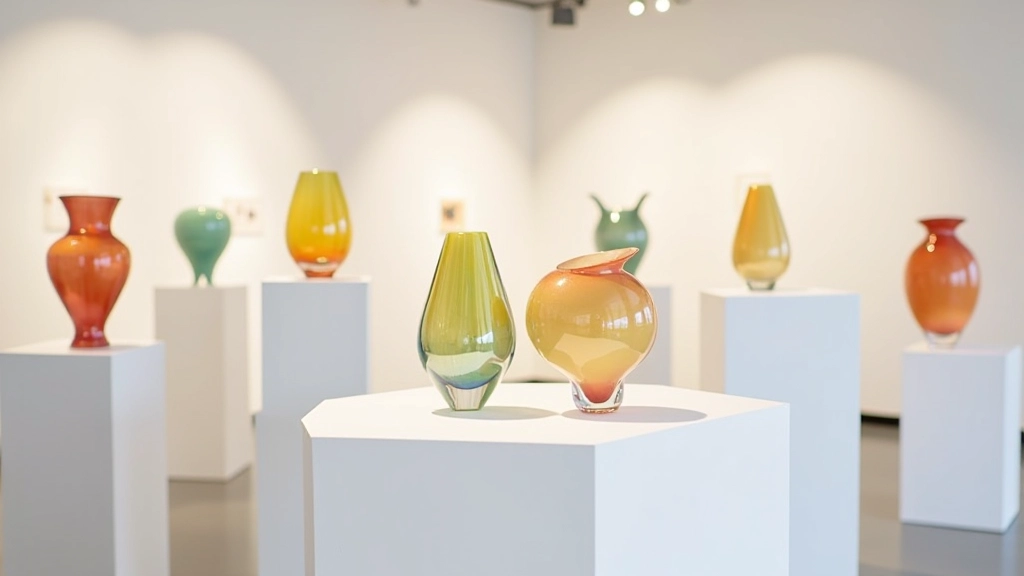
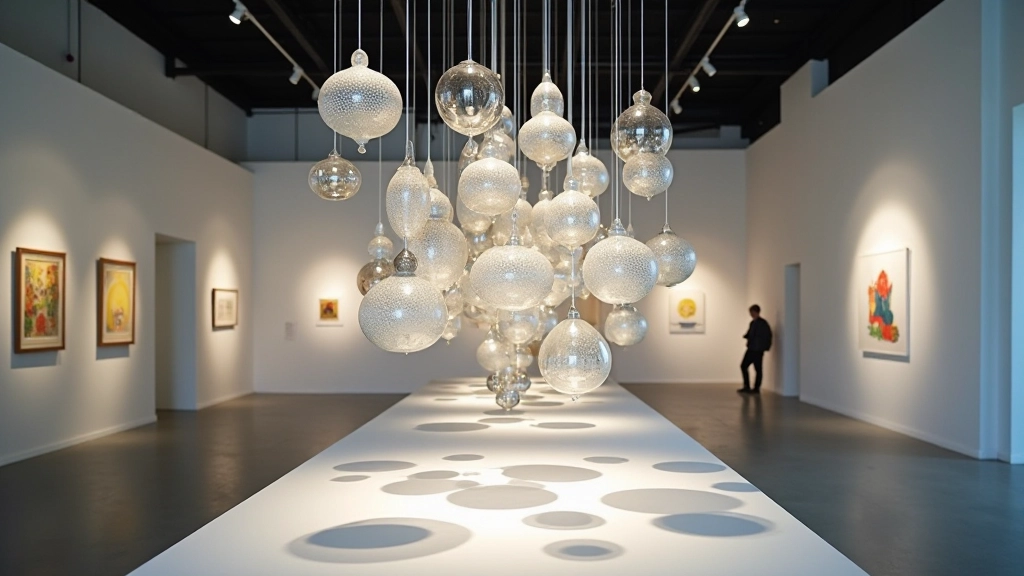
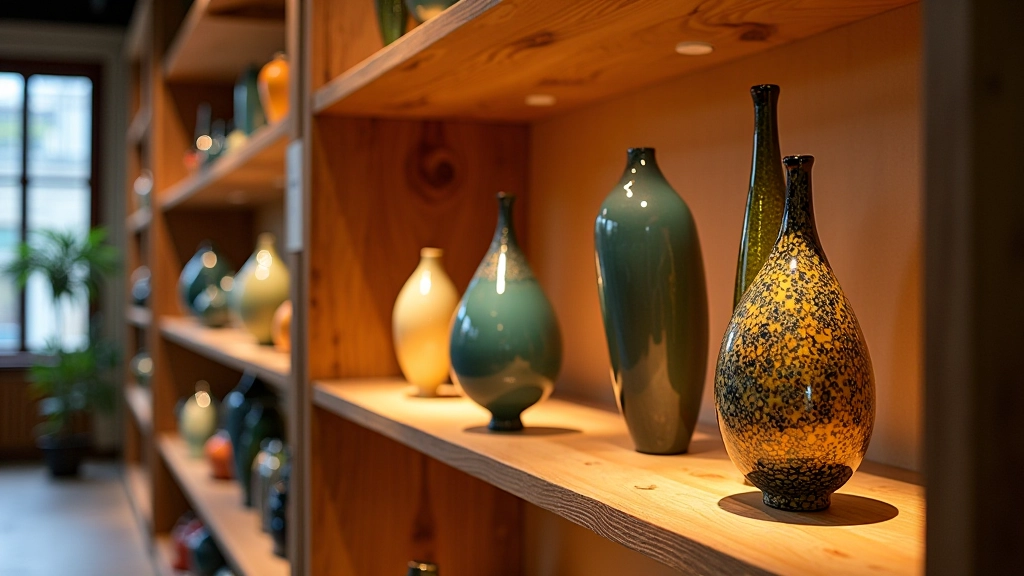
Walking into our shop, you'll notice something immediately — every piece tells a story. We're not talking about mass-produced items sitting in a warehouse somewhere. These are hand-crafted works created by artists who've spent years perfecting their craft. Whether it's a delicate sculptural form or a functional vase with stunning color patterns, each piece carries the maker's skill and vision.
The Czech glassmaking tradition spans centuries, and that heritage shows in every work. But here's what's different about contemporary decorative glass — it blends that traditional knowledge with modern artistic expression. Artists experiment with new techniques, unexpected color combinations, and innovative forms. That's why you'll find pieces ranging from classic amber hues to bold contemporary designs featuring layered colors and sculptural elements.

Recognizing Quality in Glass Art
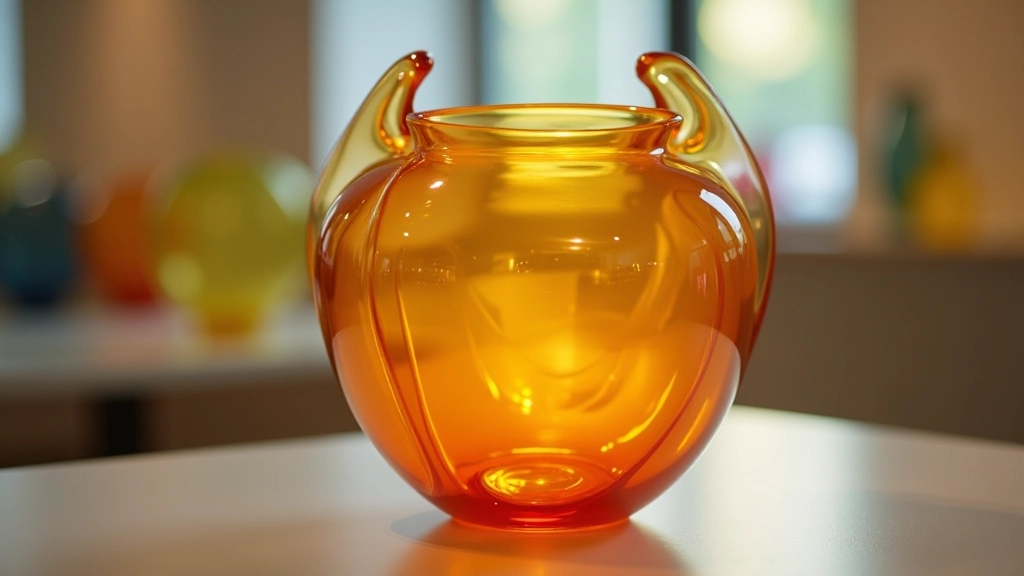
So how do you know you're looking at something genuinely well-made? Start by examining the piece physically — run your hand along the surface. Quality glass should feel smooth without rough edges or uneven areas. Bubbles inside the glass are common in hand-blown work, but they shouldn't be clustered in one area or make the piece feel structurally weak.
Color Consistency
Professional pieces show even color distribution without unexpected cloudiness or separation.
Weight & Balance
Good glass feels appropriately weighted for its size — not too light, which suggests thin walls.
Finish Quality
Check the base and any signature areas for clean, professional finishing touches.
Choosing Pieces for Your Space
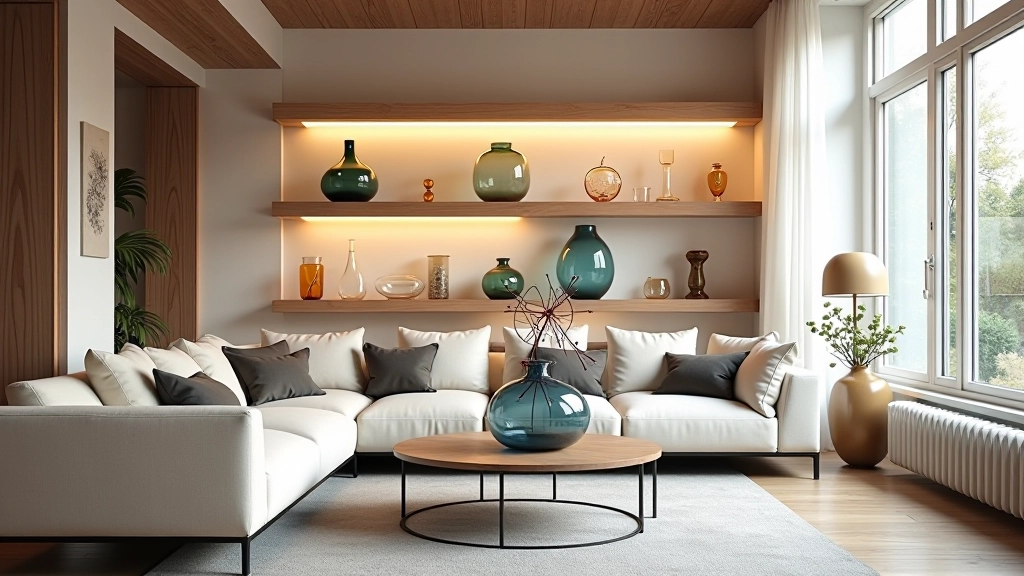
This is where it gets personal. There's no "right" choice — only what works for you. Start by thinking about your space. A large sculptural piece becomes a focal point, so it needs room to breathe. We've found that bold glass sculptures work best on dedicated shelving or as table centerpieces where they're visible from multiple angles. They're conversation starters, not background décor.
Smaller decorative pieces — bowls, vessels, delicate forms — fit into existing arrangements. They don't demand attention but reward it when you notice the color play or surface texture. Consider your existing color palette too. A warm amber piece harmonizes with earthy tones, while clear or pale glass complements modern minimalist spaces. Don't overthink it though — if you're drawn to a piece, that's usually the right sign.
Caring for Your Glass Pieces
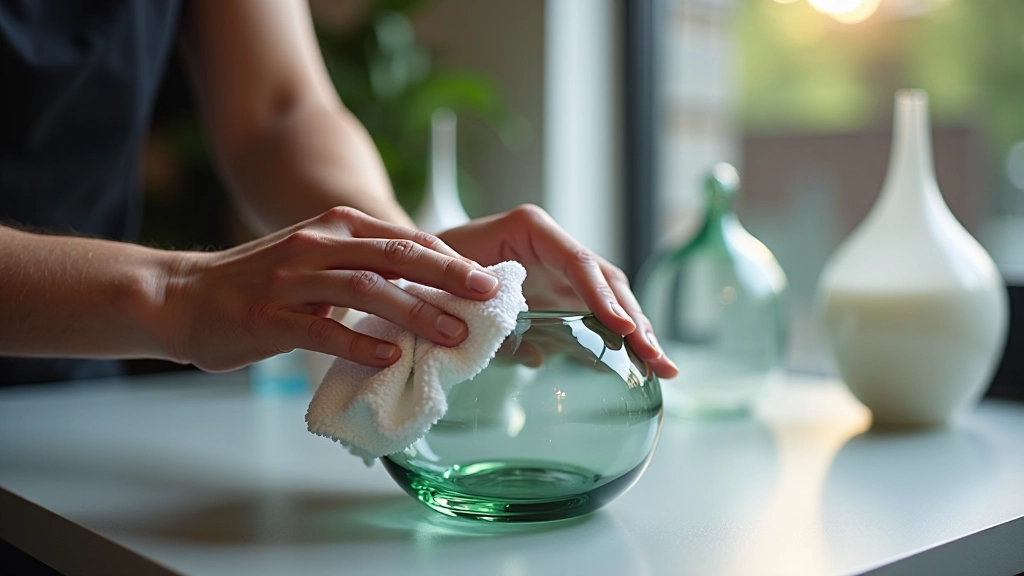
Here's the good news — decorative glass doesn't require complicated maintenance. You'll want to dust it regularly, but use a soft microfiber cloth rather than paper towels. Paper can leave tiny scratches over time. For deeper cleaning, lukewarm water and mild dish soap work perfectly. Avoid harsh chemicals or abrasive scrubbers — they're not necessary and can damage the surface.
"The pieces you bring home aren't delicate in the way you might think. They're created to last. Just treat them with the same care you'd give any artwork you genuinely value."
— Workshop Manager, Glass Studio
Position pieces away from direct sunlight if they're colored glass — prolonged exposure can shift the hues slightly over decades. Don't stack pieces unless the artist specifically designed them that way. And if you have kids or pets, consider shelf placement carefully. Most glass pieces can handle normal household movement, but they're art objects, not toys.
Understanding Price and Value
You've probably noticed that decorative glass pieces vary significantly in value. That's not random. Here's what actually goes into the cost — and why it matters.
Technique Complexity
A simple blown vessel takes hours of concentrated work. Layered pieces with multiple colors and surface treatments? Double that. Sculptural forms requiring specific shaping tools demand even more skill and experience.
Material Quality
Not all glass is equal. Artists source materials specifically for color, clarity, and working properties. Specialty glass with particular light-refracting qualities costs more than basic stock.
Artist Experience
A master glassblower with 20+ years of experience commands different prices than someone with five years. That experience shows in execution, problem-solving, and overall quality.
One-of-a-Kind Nature
Every hand-made piece is unique. You're not buying one of 10,000 identical items — you're acquiring something that exists nowhere else exactly like it.
When you invest in decorative glass, you're supporting living artists and preserving traditional craft techniques. That value extends beyond the piece itself.
Visiting the Gallery Shop
We're open six days a week, and we encourage you to come in person. Photographs don't capture how light moves through glass. The way color changes depending on viewing angle, the weight you feel when you hold a piece, the subtle surface details — you need to experience these things directly.
Our team doesn't work on commission, so there's zero pressure. Spend as much time as you want examining pieces. Ask questions about techniques, materials, or specific artists. We genuinely enjoy talking about the work and helping you find something that resonates with you. Most people discover their favorite piece isn't what they expected when they walked in — it's something that caught their eye and wouldn't let go.
Ready to Explore?
Stop by the gallery to browse our current collection. We're rotating new pieces regularly, and we feature guest artist installations throughout the year. There's always something new to discover.

About This Guide
This guide provides general information about decorative glass art to help you make informed choices. Specific care recommendations may vary depending on individual pieces, artist specifications, and your particular environment. Always check with the artist or gallery for care instructions specific to your purchase. Price, availability, and product details are subject to change. Visit the gallery or contact us directly for current information about our collection and services.
Related Articles