Regional Glass Art: Czech Tradition Reimagined
How contemporary artists honor centuries of glassmaking heritage while pushing creative boundaries with bold new designs
The Renaissance of Czech Glass
Czech glassmaking isn't stuck in the past. It's alive, evolving, and honestly more interesting than it's been in decades. For over 700 years, this region has been synonymous with exceptional craftsmanship — intricate beads, crystal decanters, ornamental pieces that graced royal palaces. But something shifted in the last 10 years. A new generation of artists started asking different questions.
Instead of perfecting traditional techniques, they're breaking them. They're combining molten glass with unexpected materials, experimenting with scale and form, creating installations that challenge what people think glass can be. The result? A thriving contemporary scene that respects tradition without being imprisoned by it.
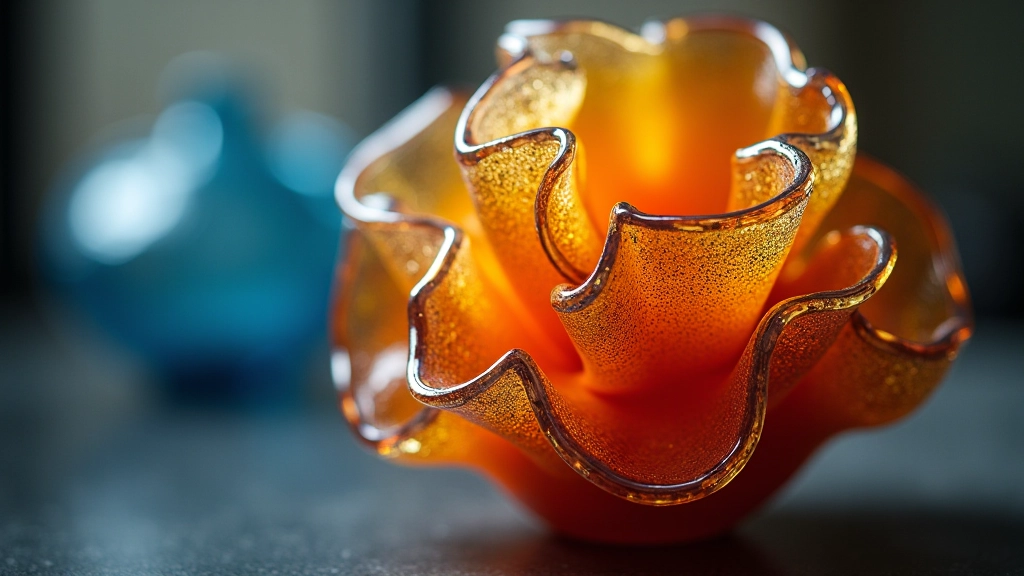
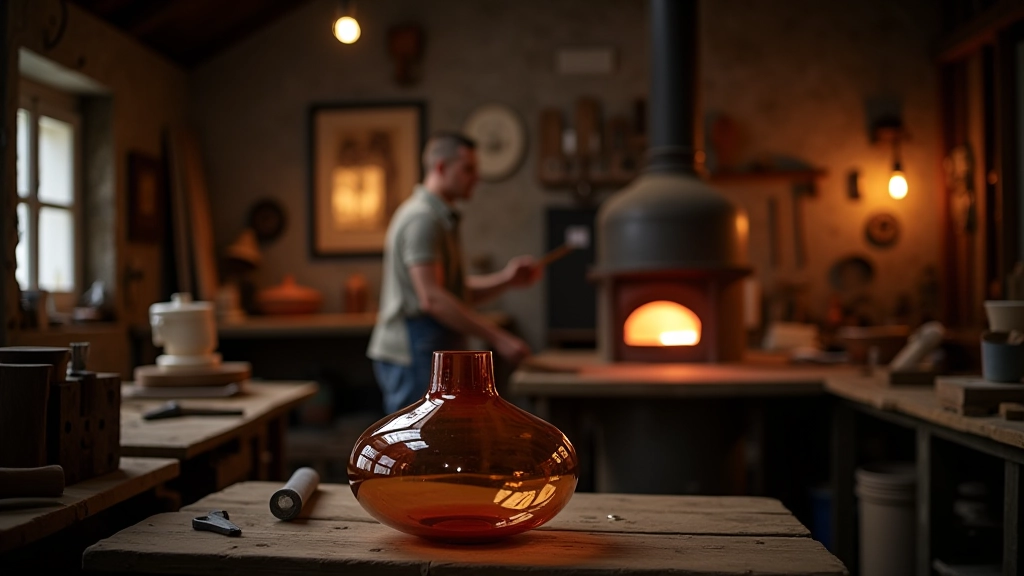
Where Tradition Meets Innovation
Walk into any gallery showcasing Czech glass art and you'll notice something immediately. The technical foundation is impeccable. Every piece demonstrates mastery of temperature control, timing, and form. These aren't accidents — they're the result of artists who spent years learning foundational techniques, often apprenticing with established masters.
But here's where it gets interesting. Once they've internalized those fundamentals, contemporary Czech glassmakers are deliberately departing from them. They're creating asymmetrical forms that would've been considered flawed 30 years ago. They're layering colors in ways that obscure rather than showcase clarity. They're thinking about negative space as much as the glass itself.
The workshops themselves reflect this duality. Traditional furnaces still burn at around 1,100°C, same as they did centuries ago. But next to them, you'll find artists experimenting with kiln-formed glass, fused techniques, and sculptural approaches that don't fit neatly into historical categories.
What's Happening in Contemporary Czech Glass
The current movement isn't defined by a single aesthetic. Instead, it's characterized by artists asking bigger questions and taking genuine risks. Here's what defines the scene right now:
Experimental Materials
Artists combine glass with concrete, metal, wood, and found objects. The goal isn't necessarily harmony — sometimes tension between materials creates the visual interest. One artist we've featured creates pieces combining mouth-blown glass with reclaimed industrial metal, exploring contrasts between fragility and weight.
Monumental Scale
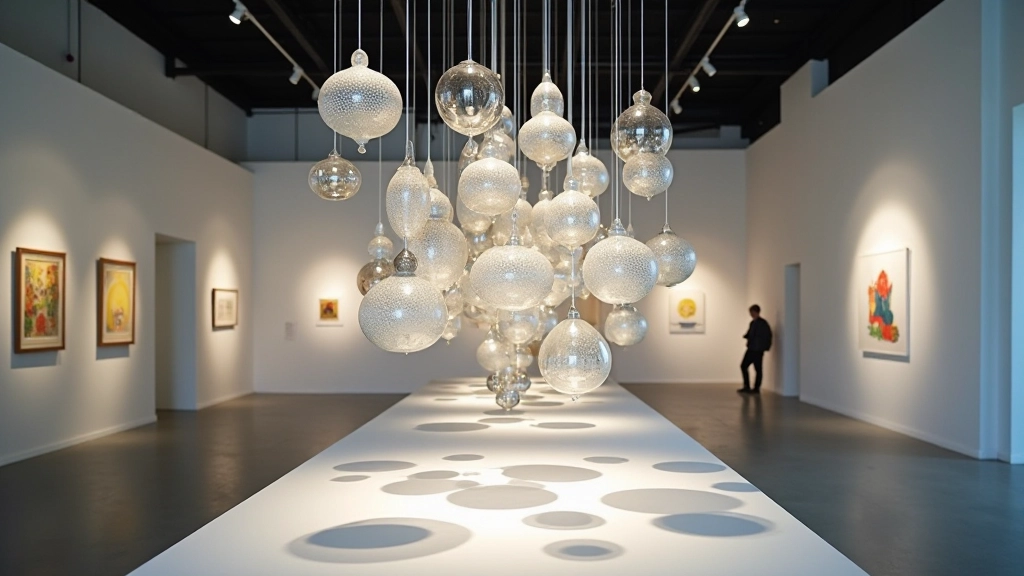
Forget delicate ornaments. Contemporary installations range from floor-to-ceiling installations to pieces spanning entire gallery walls. Scaling glass this large requires rethinking structural approaches, which leads to innovations in how the material behaves and supports itself.
Color as Structure
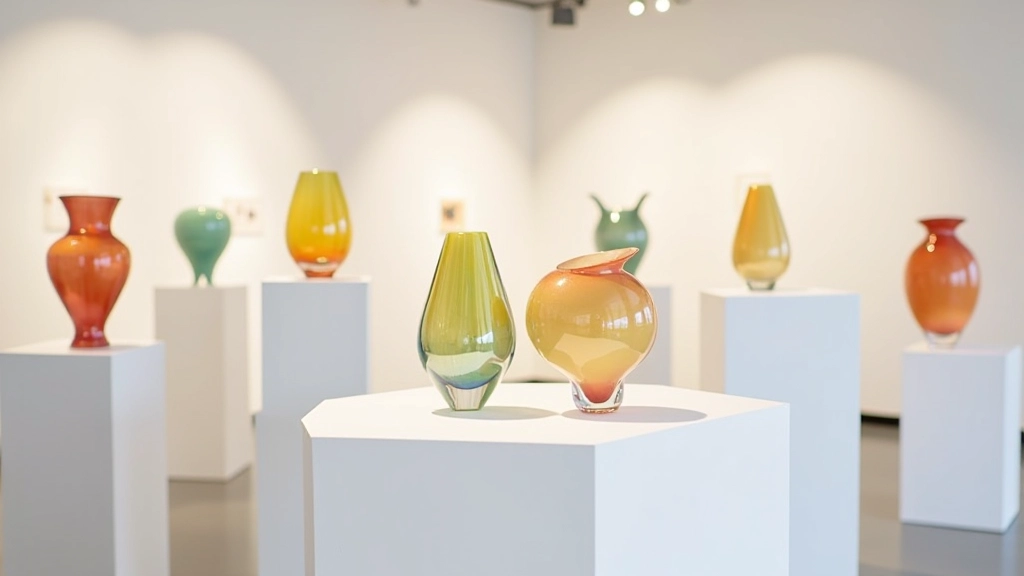
Rather than adding color as decoration, contemporary artists use it architecturally. Layers of color define form. Opacity and transparency create visual rhythm. The glass itself becomes the subject, not just the vessel for an idea.
Live Demonstration Culture
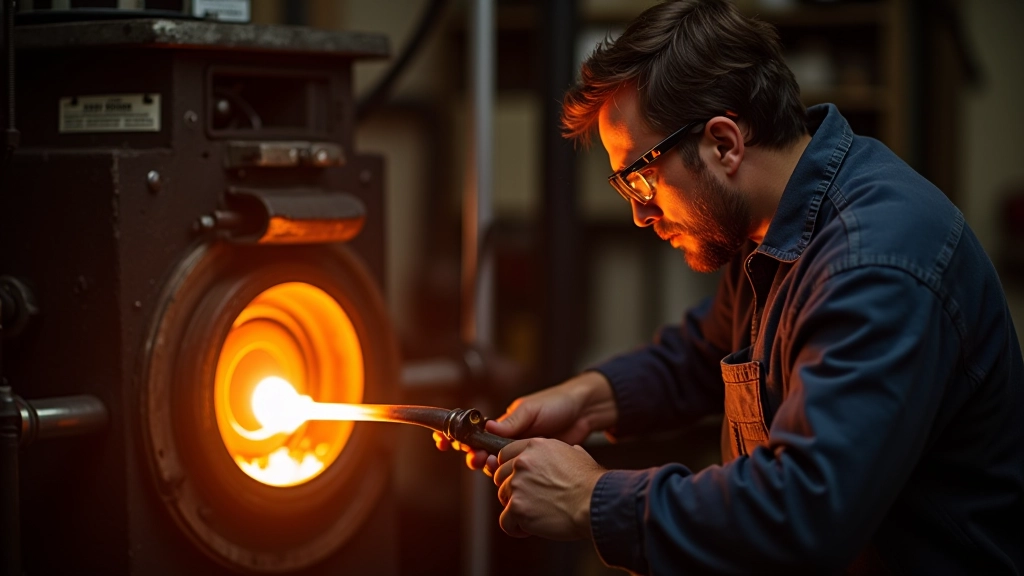
Many galleries now feature live glassmaking events. Watching the process — the way artists read temperature through color, how they manipulate molten glass with simple tools, the split-second timing required — adds context that static pieces can't convey. It's education and performance combined.
Collaborative Guest Programs
Rotating guest artists from other regions bring different perspectives. A visiting artist from Scandinavia might approach glass differently than a Czech-trained artist. These temporary installations create dialogue between traditions and introduce audiences to diverse approaches.
Functional-Art Hybrids
Contemporary pieces often blur lines between art and utility. A vase might be sculptural and visually complex while still being functional. Lighting fixtures become installations. The decorative shop features pieces that make people question whether something is meant to be used or admired.
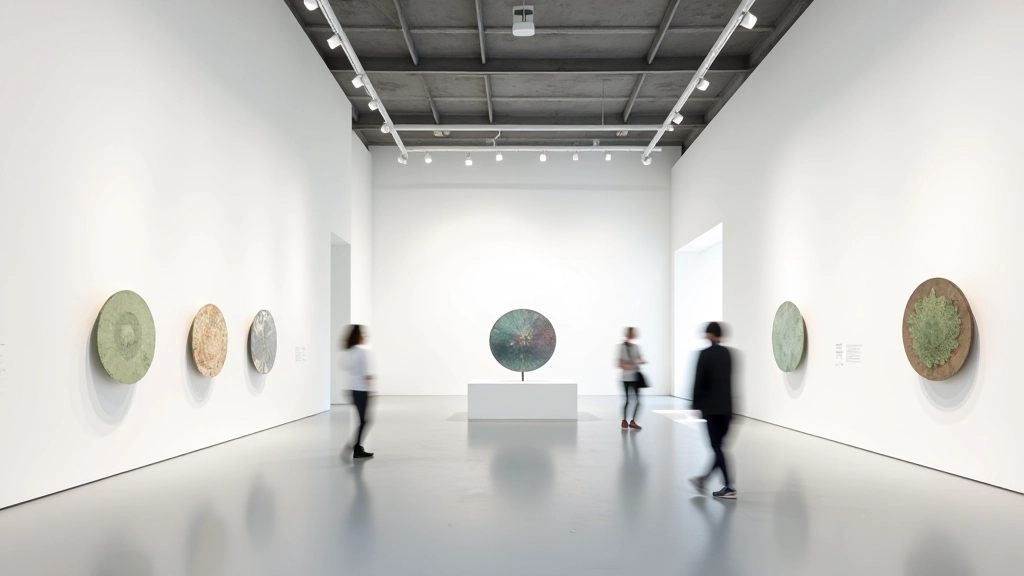
The Technical Foundation
Understanding contemporary Czech glass means understanding the techniques that make it possible. These aren't new methods — they're centuries-old approaches that contemporary artists continue to refine and reinterpret.
01
Hand-Blown Formation
Artists gather molten glass on a blowpipe at around 1,100°C. They blow air into the pipe, creating a bubble. The shape is controlled through rotation, gravity, and tools — shears, paddles, molds. This process requires split-second timing. A few seconds too long and the glass cools and becomes difficult to manipulate.
02
Annealing Process
Newly formed glass can't be cooled rapidly. Instead, pieces move to an annealing oven that gradually reduces temperature over hours. This relieves internal stress and prevents cracking. Contemporary artists often modify this process, sometimes intentionally introducing stress to create visual effects.
03
Cold Working & Finishing
Once cooled, pieces are refined. Grinding, polishing, etching, and cutting add detail. Some contemporary work intentionally leaves surfaces rough or unfinished, prioritizing form over traditional polish. This finishing stage can take weeks for complex pieces.
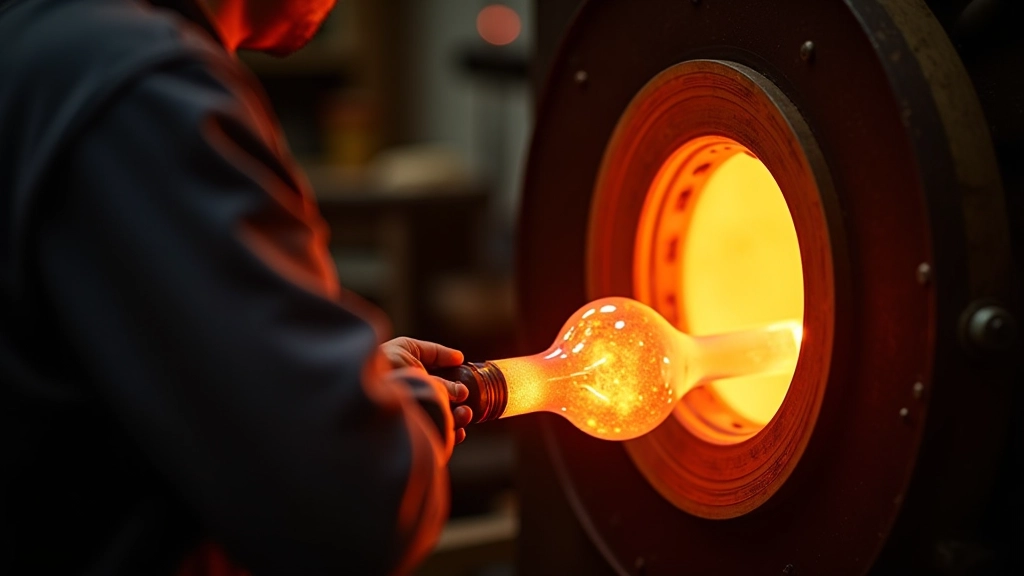
Beyond Exhibition: The Curated Shop
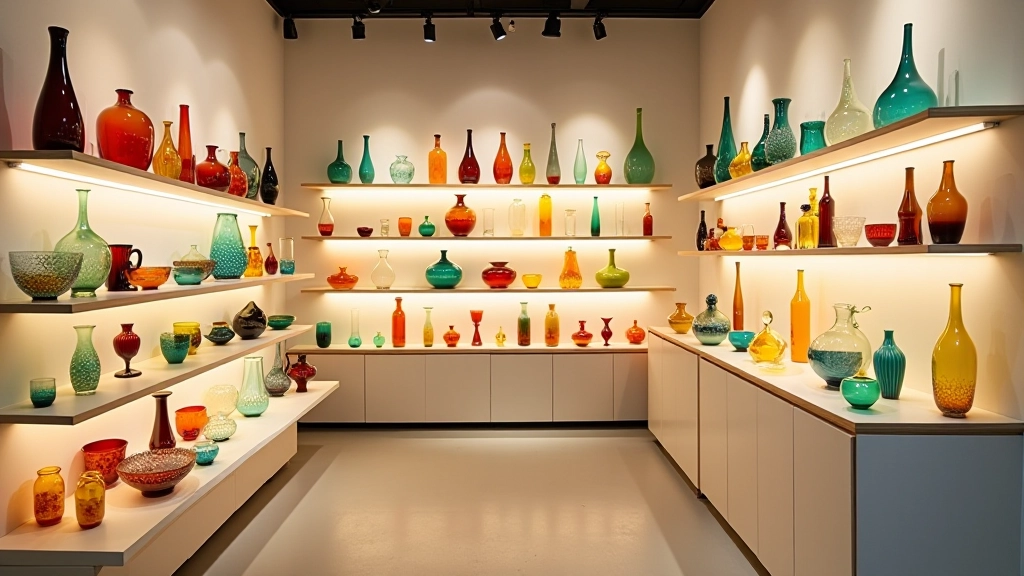
The gallery's shop represents something different than traditional gift shops. These aren't mass-produced souvenirs. Each piece is handmade, with only a handful of identical items created. Some are one-of-a-kind.
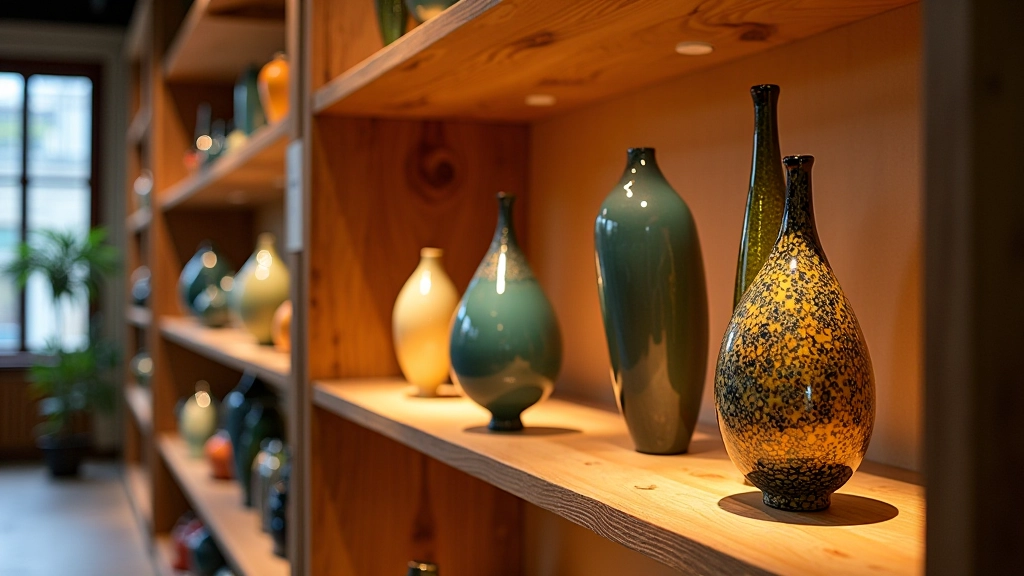
The selection balances functional pieces with purely sculptural work. You'll find drinking glasses with contemporary design, vases that work as both containers and art, lighting fixtures that cast colored light, and purely decorative pieces meant to be admired on shelves. Prices reflect the labor involved — a hand-blown drinking glass might cost 40-60 euros, larger sculptural pieces can reach thousands.
What makes this shop different? Every piece comes with information about the artist. Who made it. What techniques they used. Sometimes, the story behind a specific work. This context transforms a purchase into a connection with the maker.
The Future of Czech Glass
Czech glass isn't competing with industrial production. It's not trying to be cheaper or faster than anything else. Instead, it's asserting something increasingly rare: the value of human skill, thoughtful experimentation, and objects that carry the maker's fingerprints — literally and conceptually.
"The tradition gives us permission to experiment. We're not inventing glass art from nothing — we're standing on centuries of knowledge and asking what comes next."
— Contemporary Czech glass artist
The galleries hosting these works aren't museums preserving the past. They're living spaces where tradition and innovation exist simultaneously. Guest artist rotations bring fresh perspectives. Live demonstrations show people the craft. The shop makes art accessible at various price points.
If you're interested in contemporary glass art, Czech galleries offer something genuine. You'll see artists who understand their heritage deeply enough to push beyond it. You'll watch demonstrations that reveal the incredible skill involved. And you'll encounter pieces that make you reconsider what glass can be.
Ready to Explore?
Visit a local glass art gallery to see contemporary pieces, watch live demonstrations, and discover artists pushing the boundaries of this ancient craft.
Explore More ArticlesAbout This Article
This article is informational and educational in nature. It provides an overview of contemporary Czech glassmaking and gallery practices. Information about specific artists, techniques, and galleries is based on current practices and may change. For detailed information about specific exhibitions, visiting hours, or purchasing directly from artists, we recommend contacting galleries directly. Prices mentioned are approximate and may vary by location and artist.
Related Articles